
The evolution of casinos tracing their history through time
The Origins of Gambling and Early Casinos
The history of gambling can be traced back thousands of years to ancient civilizations, where dice were made from animal bones, and various forms of betting were practiced. Archaeological findings indicate that games of chance, akin to the modern concept of gambling, existed in ancient China and Egypt, where people gambled not only for enjoyment but also as part of religious rituals. The earliest known gambling house, or casino, appeared in Italy in the 17th century, marking a pivotal transition from informal betting to organized gaming establishments. Today, those seeking to bet can explore best football betting sites that continue this tradition.

As these early gambling establishments grew in popularity, they began to offer a variety of games, including card games, dice, and early versions of roulette. These venues were exclusive to the aristocracy, creating an elite atmosphere that attracted the wealthy. The concept of casinos as places for socializing and entertainment began to take shape, as patrons not only indulged in games but also enjoyed music, dance, and other forms of leisure, effectively laying the groundwork for the modern casino experience.
By the late 18th century, casinos began to flourish throughout Europe, particularly in France and Italy. The establishment of the famous Casino di Venezia in 1638 further cemented the casino’s status as a staple of high society. The innovation of games like baccarat and chemin de fer played a significant role in elevating the allure of these venues, attracting both gamblers and spectators alike. This period marked the transformation of gambling from a mere pastime to a lavish entertainment culture.
The Rise of American Casinos
As gambling spread to America, the establishment of casinos took on a new flavor. In the 19th century, the Gold Rush attracted fortune-seekers to the western states, leading to the emergence of gambling houses in mining towns. These establishments were often unregulated and could be places of both excitement and danger, characterized by rowdy crowds and high-stakes games. However, this raw and rugged version of gambling set the stage for a more structured approach to casino operations in the 20th century.
The legalization of gambling in Nevada in the early 1930s marked a turning point in the American casino landscape. Las Vegas quickly became synonymous with entertainment and gambling, attracting tourists and gamblers from across the nation. The iconic Las Vegas Strip evolved from modest establishments to extravagant resorts, complete with elaborate themes, shows, and dining experiences, effectively redefining the concept of a casino. Notably, the opening of the Flamingo in 1946 by mobster Bugsy Siegel marked the birth of the modern Las Vegas casino as we know it today.
Throughout the latter half of the 20th century, casinos began to spread beyond Las Vegas. Native American tribes gained the right to operate casinos on their lands, leading to the establishment of numerous gaming venues across the United States. This expansion not only provided economic opportunities for these communities but also diversified the casino experience. The rise of online gambling in the late 20th century and early 21st century introduced yet another evolution, allowing players to experience casino games from the comfort of their homes, drastically reshaping the industry.
The Influence of Technology on Casinos
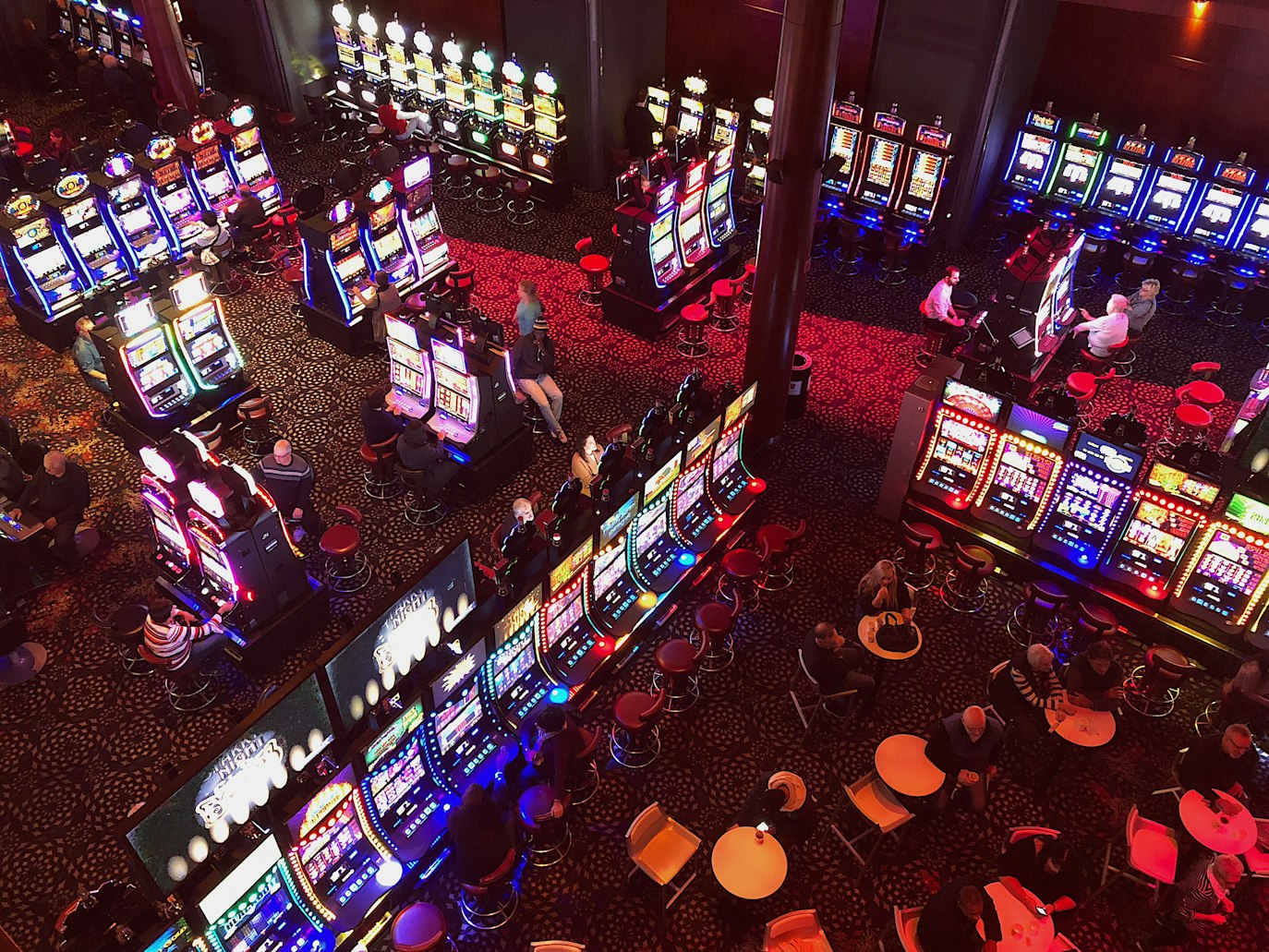
In recent years, technology has significantly influenced the evolution of casinos. The introduction of electronic gaming machines revolutionized the gaming floor, making it more accessible and appealing to a broader audience. These machines offer various games and are designed to attract players with vibrant graphics and engaging soundtracks. The rise of video poker and slot machines has transformed the gambling landscape, drawing in new generations of players who seek the thrill of chance.
The advent of online casinos has been another groundbreaking development. Platforms offering digital versions of traditional games have opened up a world of possibilities for gamblers. Players can now enjoy their favorite games, such as blackjack, roulette, and poker, from anywhere with an internet connection. This has led to an increase in competition among casinos, prompting them to innovate constantly and offer enticing bonuses and promotions to attract online players.
Moreover, advancements in virtual reality and mobile technology are poised to shape the future of casinos even further. Virtual reality casinos aim to create immersive experiences that replicate the ambiance of traditional casinos, enabling players to interact in a three-dimensional environment. As mobile gaming continues to rise, more players are accessing their favorite games on smartphones and tablets, leading to a shift in how casinos operate and engage with their clientele.
Challenges Facing the Casino Industry
The casino industry has faced numerous challenges over the years, from regulatory hurdles to the impact of economic downturns. The legalization of gambling in various jurisdictions has led to a complex web of regulations that casinos must navigate. Each state or country has its own set of rules, which can create barriers for casinos looking to expand or attract new players. Compliance with these regulations is vital for maintaining a reputable operation.
In addition to regulatory challenges, the casino industry has been affected by economic fluctuations. Economic downturns can lead to reduced discretionary spending, impacting casino revenues. The COVID-19 pandemic further exacerbated these challenges, forcing many casinos to close temporarily and adapt to health regulations. As they reopened, casinos had to implement safety measures, including social distancing and enhanced sanitation protocols, to ensure the safety of their patrons.
Furthermore, the rise of online gambling poses a significant challenge to traditional brick-and-mortar casinos. As more players opt for the convenience of online gaming, physical casinos must find innovative ways to draw in customers. This has led to an increase in the integration of technology within physical casinos, offering unique experiences that cannot be replicated online, such as live dealer games and interactive gaming environments.
Looking Ahead: The Future of Casinos
The future of casinos is poised for transformation as technology and consumer preferences continue to evolve. The integration of advanced technologies, such as artificial intelligence and blockchain, will likely enhance security, streamline operations, and offer personalized experiences for players. These innovations can also promote responsible gambling practices, ensuring a safe and enjoyable environment for all patrons.
Moreover, as global travel resumes, the importance of tourism in the casino industry cannot be understated. Destinations like Las Vegas and Macau will continue to attract visitors seeking entertainment, but they must adapt to changing consumer expectations. Providing immersive experiences that blend gaming, entertainment, and dining will be essential in keeping casinos relevant in an increasingly competitive market.
In addition to technological advancements and tourist dynamics, the industry will need to address social responsibility issues. As gambling continues to be a popular form of entertainment, promoting responsible gambling measures and supporting affected individuals will be crucial. The evolution of casinos, marked by their rich history, will undoubtedly continue as they navigate the complexities of modern society.