
Exploring the social implications of gambling a deep dive with Wprld Cup Prediction Tomorrow
Understanding the Cultural Landscape of Gambling
Gambling has long been interwoven into the fabric of society, with its roots extending back centuries. Cultural norms and values often shape the perception of gambling, influencing attitudes towards it. For some communities, gambling can be a form of entertainment, while for others, it may carry a stigma, highlighting the dichotomy in societal beliefs. This cultural context is vital for understanding how events like the World Cup can amplify or diminish these existing attitudes, especially with insights like the World Cup 2026 Predictions Tomorrow breakdown at wcpredictionstomorrow.com.
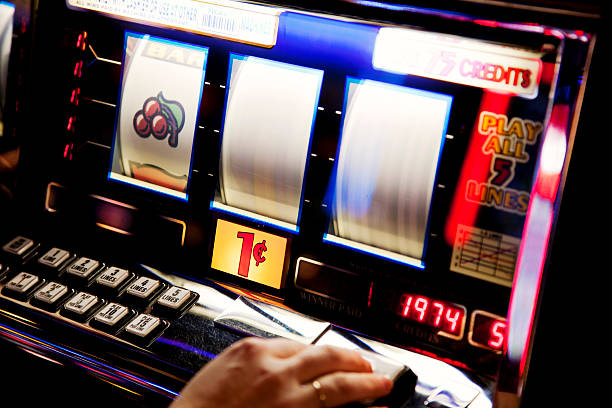
During major sporting events, such as the FIFA World Cup, the social implications of gambling become particularly pronounced. Fans often engage in betting as a way to enhance their connection to the games, fueling excitement and camaraderie. However, this excitement can also lead to negative consequences, including gambling addiction and financial strain, particularly among vulnerable populations. Awareness of these dynamics is crucial for fostering responsible gambling behaviors and ensuring the well-being of individuals within society.
As gambling becomes more accessible through online platforms, its cultural impact is evolving. The integration of advanced technologies allows for instantaneous betting, which may contribute to impulsive gambling behaviors. Understanding these changes is essential for policymakers and community leaders as they navigate the challenges and opportunities presented by an increasingly digital gambling landscape, especially during high-stakes events like the World Cup.
The Psychological Effects of Gambling
The psychological implications of gambling are profound and multifaceted. Engaging in betting activities can trigger a range of emotions, from exhilaration to despair, particularly in high-pressure environments like the World Cup. This emotional rollercoaster can lead to a cycle of risk-taking, as individuals seek to replicate the euphoric feelings associated with winning. Understanding the psychological drivers of gambling behavior is essential for developing effective interventions to mitigate the risks involved.
Moreover, the thrill of betting during a prestigious tournament can exacerbate pre-existing mental health issues, such as anxiety or depression. The pressure to win can lead to compulsive behavior, where individuals prioritize gambling over other essential aspects of life. This can strain relationships, disrupt daily routines, and erode mental well-being, showcasing the need for comprehensive support systems for those affected by gambling-related issues.
Additionally, the social dynamics of gambling can play a significant role in shaping individual experiences. Many people view betting as a communal activity, where friends and family gather to discuss predictions and outcomes. While this can foster a sense of belonging, it can also lead to groupthink, where individuals may feel pressured to gamble even when they are hesitant. Understanding these psychological and social influences is vital for promoting a healthier relationship with gambling.
The Economic Impact of Gambling During Major Events
The economic implications of gambling during major events like the World Cup cannot be overstated. The influx of betting activity generates significant revenue, benefiting local economies and governments alike. However, this economic boon often comes with hidden costs, particularly related to problem gambling. Communities can experience increased healthcare costs and social services demand as individuals struggle with gambling addiction, highlighting the need for a balanced perspective on the economic benefits of gambling.
Furthermore, the growth of online betting platforms during such events leads to a surge in participants, ranging from casual bettors to seasoned gamblers. This influx can create a sense of economic urgency for individuals who may otherwise not participate. While this may stimulate short-term economic activity, it risks instilling harmful betting habits among inexperienced individuals, ultimately leading to financial instability.
The World Cup serves as a case study for examining the economic impacts of gambling. Betting markets fluctuate based on team performance, injuries, and public sentiment, creating an intricate web of economic interactions. Understanding these dynamics can help stakeholders, from policymakers to community organizations, better navigate the challenges posed by the gambling industry while maximizing its potential benefits.
Regulatory Challenges and Social Responsibility
The rapid expansion of gambling, particularly with online platforms, raises critical regulatory challenges. Legislators must balance the economic benefits of gambling against the potential for harm, particularly regarding problem gambling. Striking this balance requires a nuanced understanding of the social implications of gambling, especially during high-profile events like the World Cup. Effective regulation is essential to promote responsible gambling behaviors while ensuring that individuals are protected from predatory practices.
Social responsibility plays a pivotal role in the gambling sector. Operators are increasingly called upon to implement measures that promote responsible betting, such as self-exclusion programs and educational campaigns. These initiatives can mitigate the risks associated with gambling, particularly for vulnerable populations who may be more susceptible to addiction. The World Cup serves as an important platform for these discussions, emphasizing the need for a collective commitment to social responsibility within the gambling industry.
Ultimately, effective regulation and social responsibility are interdependent. As the gambling landscape evolves, it is imperative for stakeholders, including government agencies, operators, and community organizations, to work collaboratively. By fostering a culture of accountability and responsibility, society can better navigate the complexities of gambling, ensuring that its social implications are addressed and managed effectively during major events like the World Cup.

Wprld Cup Prediction Tomorrow: Your Guide to Responsible Betting
Wprld Cup Prediction Tomorrow is a valuable resource for anyone interested in enhancing their World Cup betting experience while promoting responsible gambling. The platform offers expert insights into team performances, historical data, and contextual factors that influence match outcomes. This information empowers bettors to make informed decisions, ultimately fostering a more responsible approach to gambling.
By providing tailored predictions and analyses, Wprld Cup Prediction Tomorrow helps users navigate the complexities of betting markets. The focus is not solely on winning but also on understanding the inherent risks involved. This emphasis on responsible gambling is crucial in ensuring that individuals can enjoy the excitement of the World Cup without succumbing to the negative consequences of excessive betting.
As the World Cup approaches, Wprld Cup Prediction Tomorrow stands out as a committed ally for bettors seeking to engage with the event meaningfully. Through its commitment to informed, context-driven advice, the platform reinforces the importance of responsible gambling, making it an invaluable resource for both seasoned bettors and newcomers alike. With a focus on sustainability and social responsibility, it aims to foster a healthier gambling environment for all.