
Casino lobbies can make game discovery feel harder than it should, especially when slots, live tables, game shows and fast-paced titles appear together. A useful lucky hills casino comparison for Canadian readers should therefore focus less on promotional claims and more on how the catalogue is organized, what each game type involves, and which details deserve checking before playing. The aim is not to identify one universally best option, but to create a practical method for matching a game with your preferred pace, level of interaction and tolerance for uncertainty.
Start by sorting games according to how they play
The quickest way to understand a large lobby is to divide it into broad families. Video slots generally use reels, symbols, paylines or ways to win, while classic-style slots often present a simpler visual format. Jackpot-labelled games may have a prize structure that differs from ordinary slots, but the label alone does not explain the odds, contribution rules or maximum payout. Those details belong in the individual game information, not in the category name.
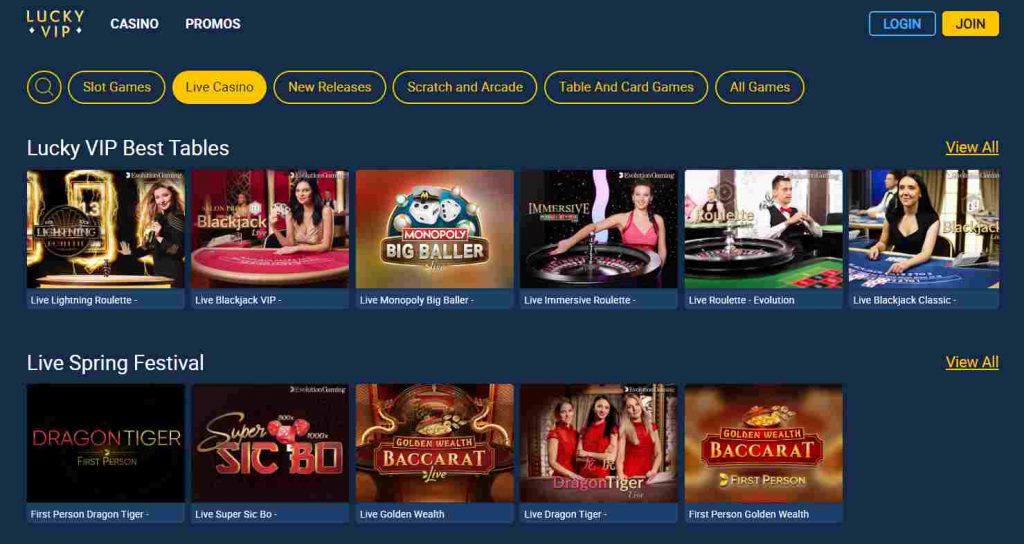
Table games create a different type of experience. Roulette is centred on selecting outcomes from a wheel, while blackjack adds decisions such as whether to hit, stand, split or double. Live-dealer versions add a streamed table and human dealer, which may appeal to players who want more atmosphere and a slower, more social rhythm. They can also involve different limits, layouts and rules from digital versions, so compare the specific table rather than assuming every version works identically.
Game shows and fast-paced or crash-style titles should be treated as separate formats rather than as variations of slots. Game shows often use rounds, bonus features or presenter-led presentation. Crash-style games may involve deciding when to stop before a multiplier changes or the round ends. Sports and esports sit in separate sections and are not casino games at all. Keeping these categories distinct prevents a crowded lobby from turning into an unfocused search.
Which information matters before opening a game?
Once a format catches your attention, inspect the game’s own rules before considering its appearance or popularity badge. Look for the paytable, winning combinations, special symbols, bonus-round conditions and any stated maximum win. For table games, check the available bet range, house rules and whether the game is automatic or live. A short demonstration can show how a round works, but it cannot establish that a particular session will be profitable or reveal long-term results.
Return-to-player information can be useful when it is clearly displayed, but it is a long-run statistical measure rather than a promise for an individual player. Volatility is equally important: a game with larger but less frequent wins can feel very different from one with smaller, more regular outcomes. Neither measure predicts the next spin or round. Treat them as comparison information, alongside the game rules, rather than as a reason to increase a stake.
Bonus eligibility adds another layer. Some lobby badges identify games that qualify for promotional play, while others show recently added, popular or jackpot-labelled titles. A game may accept bonus funds without contributing to wagering, require cash funds only, or contribute under special conditions. If a promotion is relevant, read the applicable terms and the game’s own information together. The general catalogue should never be assumed to have one universal set of rules.
Use provider and lobby tools to narrow the search
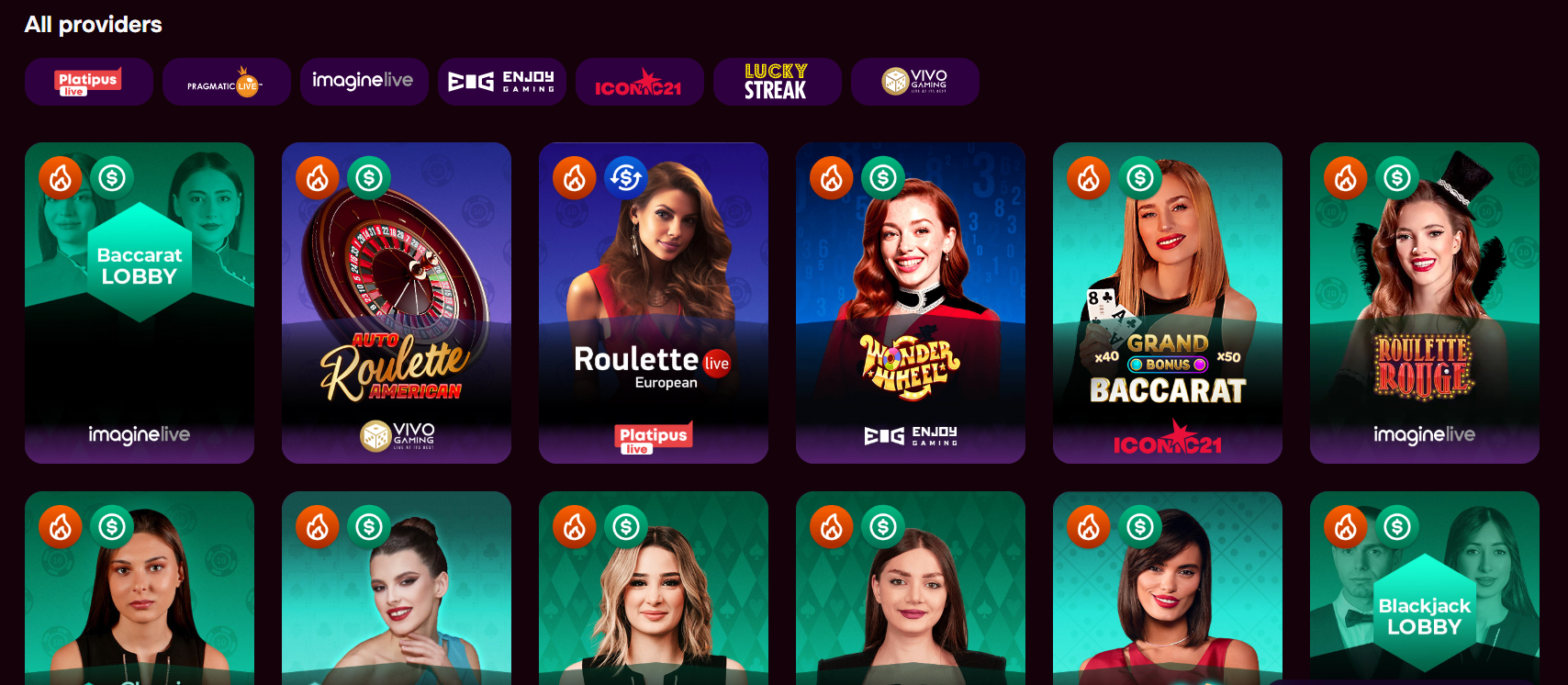
A provider filter is useful when you already know the style of software you prefer. The catalogue lists suppliers such as Pragmatic Play, Playson, 3 Oaks Gaming, Gamzix, Evolution-associated live content, Yggdrasil Gaming and several others. This does not mean every title from a supplier will be available to every Canadian player, since individual game libraries can vary by location. Use a provider name as a starting filter, not as a guarantee of access.
The provider search field can also make browsing more efficient when a title has been recommended elsewhere. Searching by name is usually more precise than scrolling through a long lobby, particularly when several games have similar artwork or themes. After finding a title, check that its rules open correctly and that the displayed version matches the format you expected. A game’s branding, supplier and category do not replace the need to review its actual instructions.
Tags can help with discovery, but they should be interpreted carefully. “Popular” describes attention, not quality or suitability. “New” indicates recent addition, not better value. “Jackpot” describes a feature or prize structure, not a likely outcome. Try combining one practical filter—such as slots, roulette or live casino—with one preference, such as provider or pace. This produces a manageable shortlist without treating marketing labels as evidence.
Compare a shortlist without treating it as a prediction
A useful comparison can be made with four questions: How long does a typical round take? How much decision-making is involved? What information is available before play? Does the format encourage rapid repetition? These questions are more helpful than simply ranking games by visual appeal. A live blackjack table may suit someone seeking interaction and decisions, while a simple slot may suit someone who wants a short, automated session.
Next, compare the practical conditions attached to each choice. Check minimum and maximum stakes, available versions, bonus contribution, game rules and whether the title is available in your account location. For live tables, note whether the format has a particular schedule or table limit. For fast games, pay special attention to the speed of repeated rounds. A game that looks inexpensive per round can still create a high total spend when play is rapid.
It is also sensible to decide on a stopping point before opening a shortlist. The Responsible Gambling Council’s public information is a useful Canadian reference for keeping gambling within personal boundaries. Platform controls may include daily, weekly or monthly deposit and loss limits, but availability and operation should be checked in the account settings. A comparison is strongest when it includes not only game mechanics, but also whether the format fits the time and spending limits you have chosen.
Make the final choice from verified details
After narrowing the catalogue, open the individual rules for two or three similar games and compare them directly. Confirm the game type, supplier, paytable, feature triggers, stated RTP where provided, volatility information where provided and any special restrictions. If a game has a tournament, lottery or event connection, read the separate entry and prize conditions. These sections may have mechanics that do not apply to ordinary lobby games.
Keep promotional play separate from ordinary game discovery. If a title is listed as eligible for bonus wagering, confirm whether all bets count and whether a maximum qualifying stake applies. A game can be enjoyable or suitable independently of a promotion, while promotional terms can introduce expiry dates, contribution limits or cash-only restrictions. Never select a game solely because its badge suggests it is a better route through wagering requirements.
Finally, stop comparing when the remaining differences are clear enough for an informed decision. There is no need to test every supplier or chase a newly added title. Choose the format whose rules you understand, whose pace fits your plan and whose conditions are visible. If important information is missing, contact support or leave the game unchosen rather than filling the gap with assumptions about availability, returns or likely results.
Questions Canadian players often ask
Are jackpot-labelled games more likely to win?
No. A jackpot label describes a prize feature or game structure, not the probability of winning. Check the individual rules, paytable and any available statistical information. The label should help classify the game, not be treated as evidence that it offers better odds or more frequent payouts than another title.
Can a short trial reveal whether a game is good?
A brief trial can show the controls, pace and bonus mechanics, but it cannot establish long-term performance. Random outcomes can produce unusually good or poor short sessions. Use the trial to decide whether you understand and enjoy the format, then rely on published rules rather than recent results.
Why might a listed game be unavailable?
Game libraries can vary according to location, account conditions, supplier arrangements and applicable restrictions. A title shown in a provider list or promotional section may not appear for every player. Check the live lobby and the game’s stated conditions, and ask support if its availability is unclear.